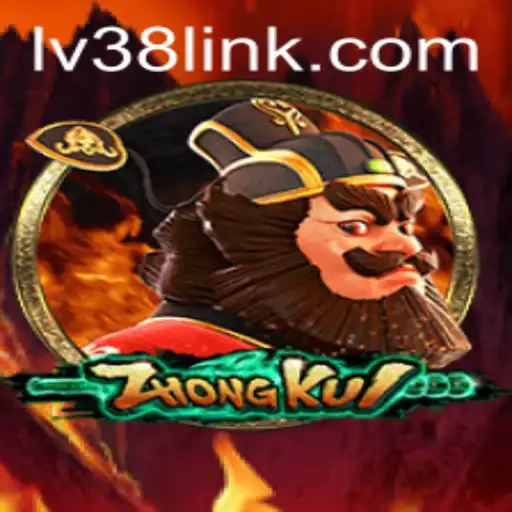

Immerse yourself in the captivating universe of ZhongKui, a game inspired by Chinese mythology, where players embark on a fantastical journey packed with challenges and strategy.
Introduction to ZhongKui
In a world where gaming experiences are continually evolving, ZhongKui stands out as a unique blend of mythology, adventure, and strategy. Inspired by the legendary figure in Chinese folklore, ZhongKui transports players into a realm filled with ancient tales and mythical creatures. This game, known for its intricate design and captivating narrative, is gaining popularity through platforms such as LV38.COM.
The Mythology Behind ZhongKui
ZhongKui, a legendary exorcist and ghost catcher from Chinese mythology, serves as the hero of this immersive game. Traditionally depicted as a deity who vanquishes evil spirits, ZhongKui is revered in Asian culture as a symbol of justice and protection. In the game, players take on the role of this legendary figure, navigating through various levels to rid the world of malevolent forces.
Gameplay Mechanics
The game’s mechanics are designed to challenge players' strategic thinking and reflexes. As ZhongKui, players are equipped with mystical weapons and spells, each upgradeable as they progress. The journey involves traversing diverse landscapes, each filled with unique obstacles and enemies reflecting Chinese folklore's rich tapestry. Quests vary in complexity, requiring players to solve puzzles, engage in combat, and engage with non-player characters (NPCs) that enhance the storyline.
Starting Your Adventure
Upon starting ZhongKui, players are plunged into a tutorial that acquaints them with basic controls and mechanics. The initial levels serve as an introduction to ZhongKui’s abilities, such as summoning protective charms and conjuring sacred artifacts to aid in combat. Gradually, players encounter tougher adversaries, prompting them to develop strategies that exploit enemy weaknesses.
Level Up and Progression
Progression in ZhongKui is structured around a traditional leveling system. As players accumulate experience points by completing missions and defeating foes, their character evolves, gaining access to new skills and enhanced capabilities. The game rewards strategic planning, as higher-level challenges require mastering complex spell combinations and timing-based strategies.
Rules of Engagement
The rules within ZhongKui are centered on maintaining harmony and justice. Players must adhere to a code of ethics aligned with ZhongKui’s role as a protector. This involves using power judiciously without succumbing to the temptations of darker magic. In-game penalties discourage reckless behavior, promoting a balanced approach to power and responsibility.
The Cultural Impact
Beyond its engaging gameplay, ZhongKui is noted for its depiction of cultural motifs. The game incorporates elements of Chinese art and music, providing an immersive cultural experience. As the game gains traction, it has become a topic of discussion in gaming communities for its authentic representation of traditional lore blended with modern gaming dynamics.
Community and Online Presence
Since its release, ZhongKui has fostered a robust community of players who connect via forums and social platforms. Sites like LV38.COM facilitate these interactions, offering a space for gamers to exchange strategies, share experiences, and participate in events that deepen their engagement with the game.
The Future of ZhongKui
The game's developers have announced upcoming expansions that will introduce new realms and characters, ensuring that the universe of ZhongKui continues to grow. These future updates promise to add layers of complexity and excitement, keeping the player base engaged and eager for new adventures.
Conclusion
ZhongKui is more than just a game; it is a narrative journey that transports players into a world where mythology and modern gaming intersect seamlessly. With its engaging gameplay and cultural richness, ZhongKui is set to leave a lasting impact on the gaming landscape, captivating audiences across the globe.